Wawan
Wawan 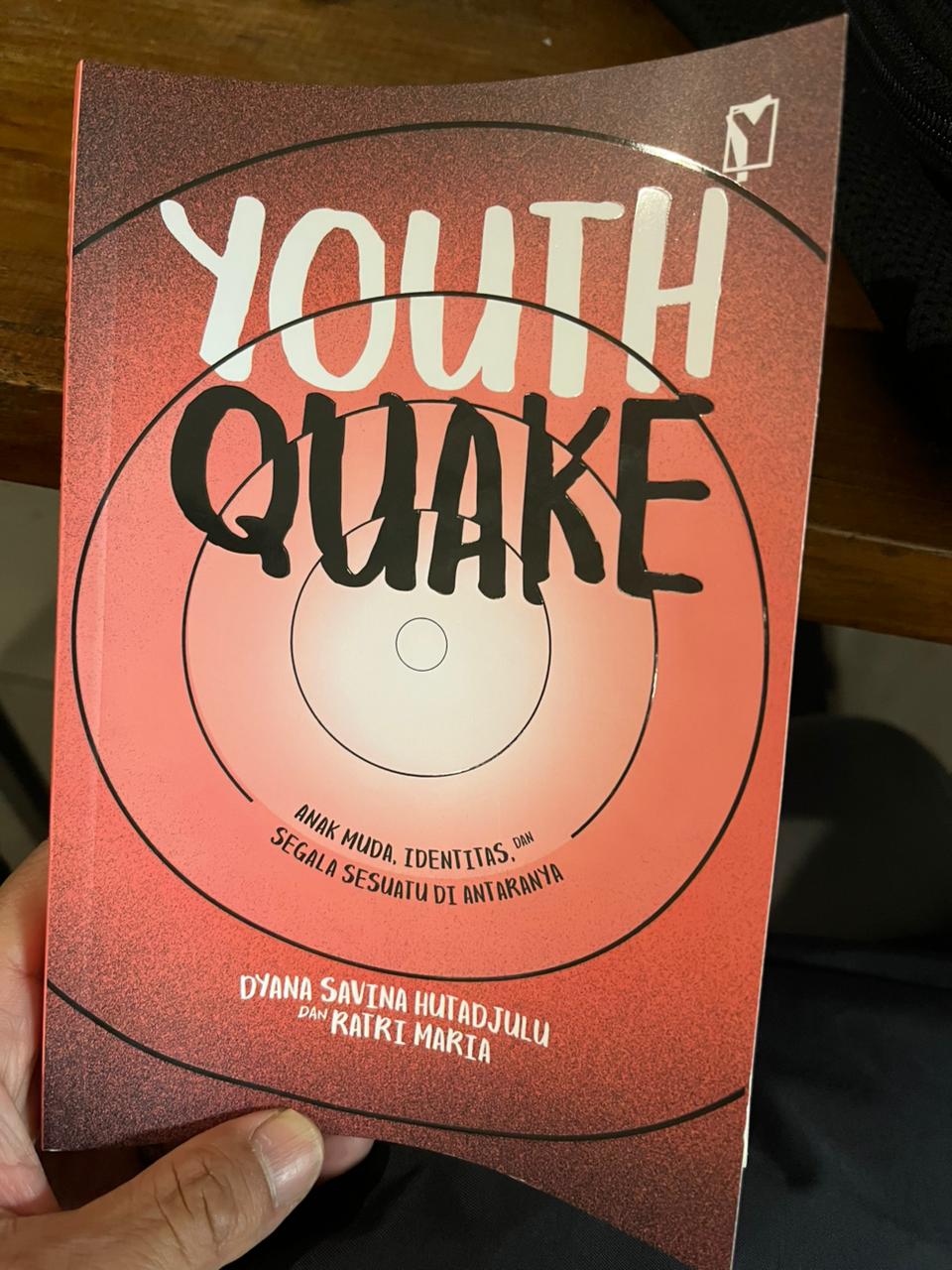
It’s a one-of-a-kind book. You might begin reading it as if it were just a collection of short stories. Keep going, though, and you’ll find yourself doing activities along the way. Read a little further—especially if you’re from outside Jakarta—and you’ll realize that the book is quietly trying to introduce you to emerging trends in Jakarta and to suggest possible ways of dealing with things that may still be “unnamed” where you are.
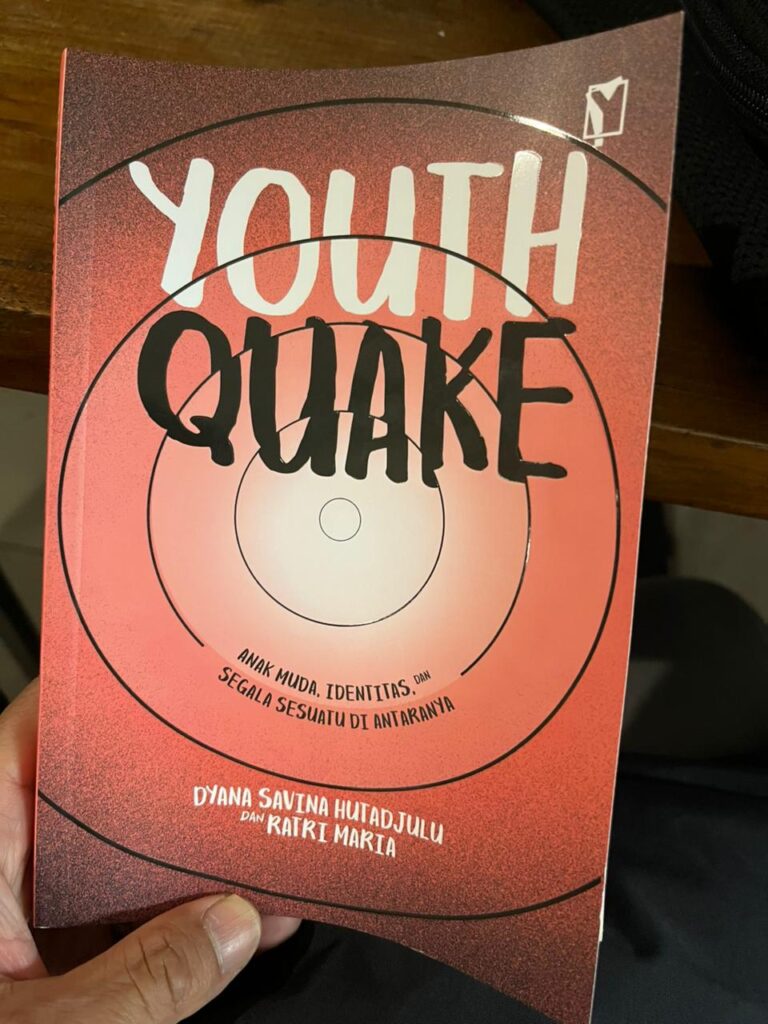
After three or four stories, you’ll probably decide that the book is putting forward an argument, much like most non-fiction books do—but it does so in the spaces between the stories. At the risk of sounding cliché, let me end by saying that this book uses storytelling to give shape to a voice that is, strictly speaking, less than fiction.
Is there anything wrong with that? I don’t think so. It’s really a matter of finding an approach that can reach a generation that isn’t easily engaged by written texts—unless those texts can first find a way to engage them.